Personal
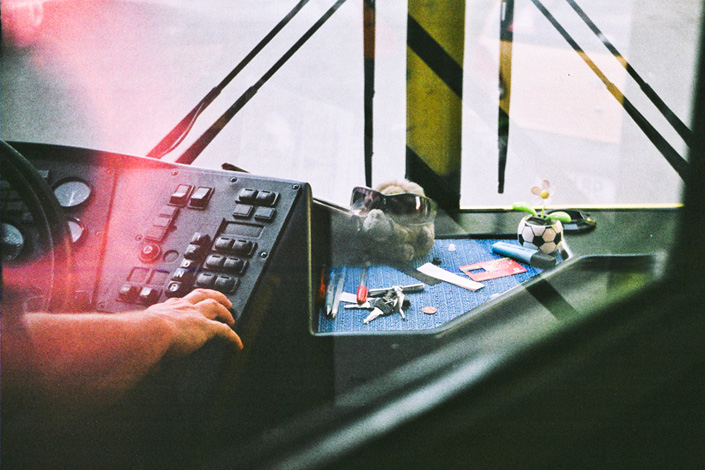
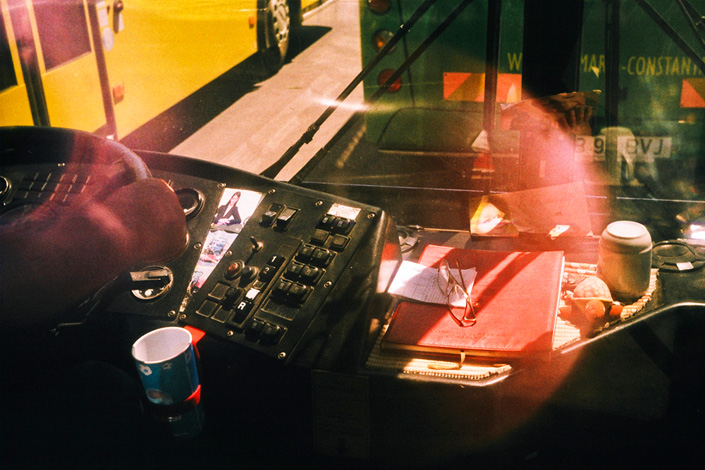
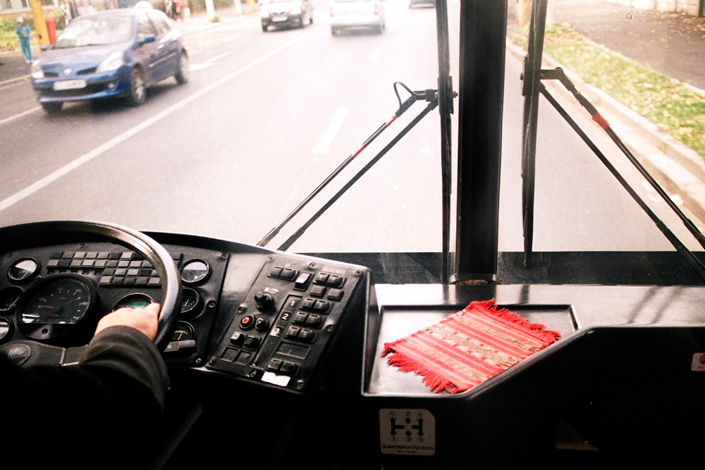
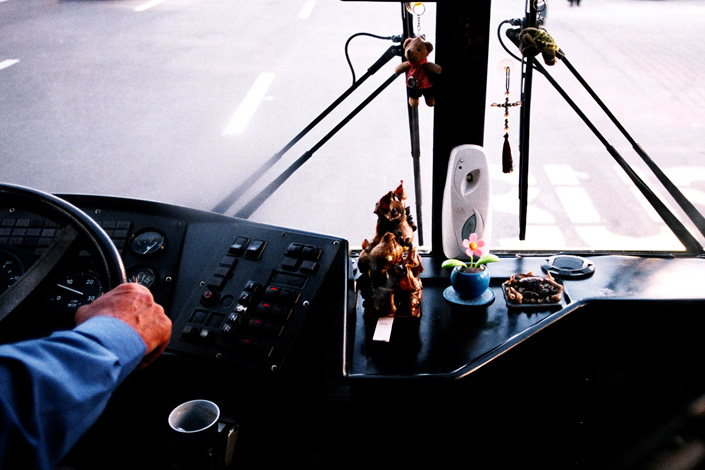
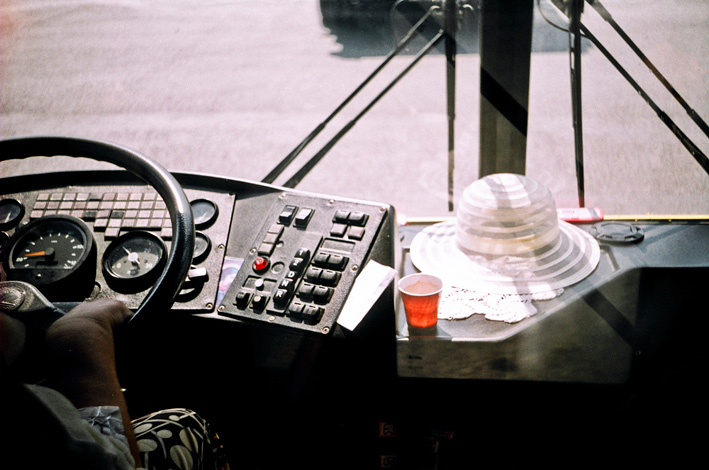
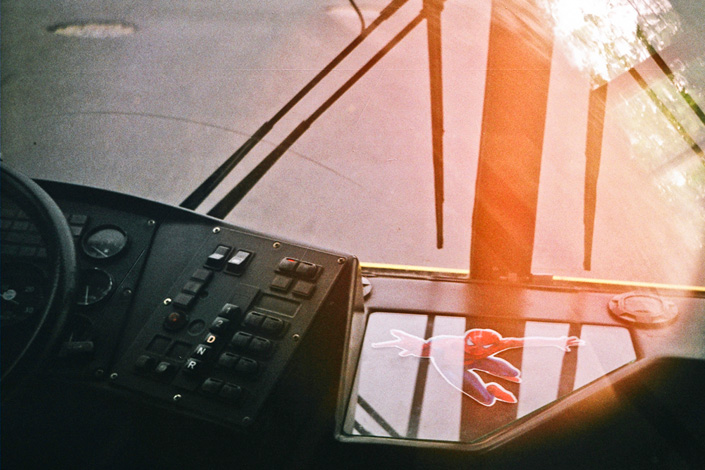
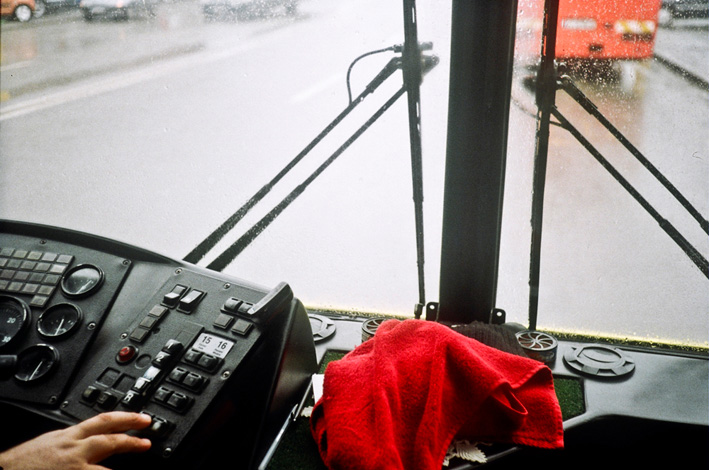
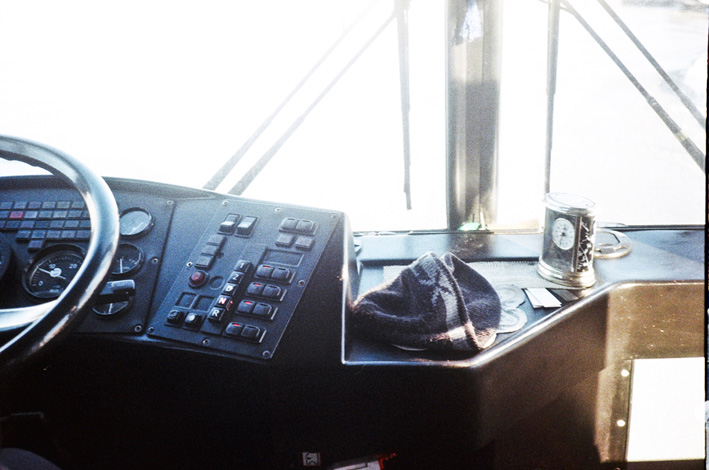
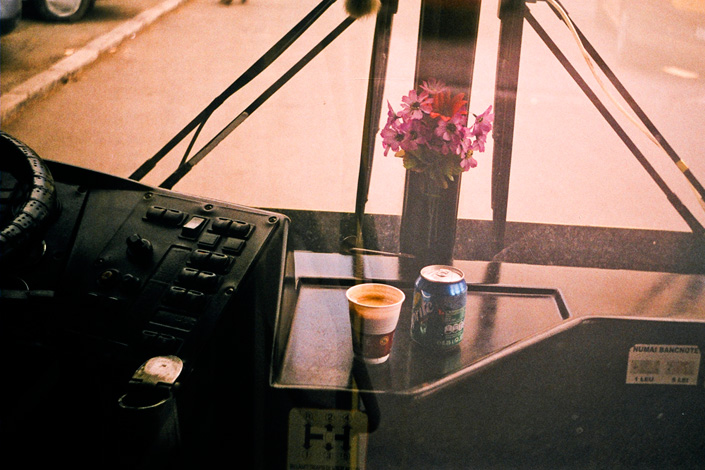
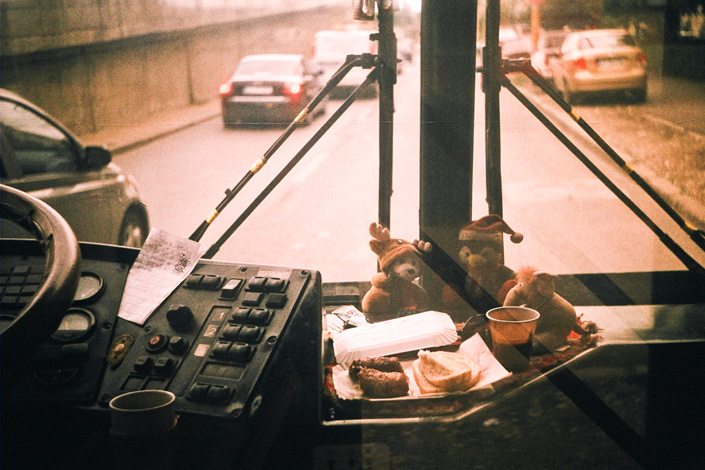
Pentru mine, fiecare om este o poveste. Desi nu pot citi inceputul nici sfarsitul acesteia, sunt extrem de norocos sa pot citi macar un capitol al povestii. In ciuda faptului ca acesti oameni fac parte din rutina mea zilnica eu nu le stiu numele. Mi-ar fi de folos oare? Cred totusi ca primesc mai mult decat un nume. Vad un sofer deschizand usile cu degetul mic din cauza mainilor sale murdare, curatenia bordului unei soferite, un abtibild cu super-eroul baietelului unui sofer, gusturi alimentare, vicii, cadouri primite, gusturi muzicale, credinte religioase si tot asa. Obiectele personale si obiceiurile te fac sa te simti ca acasa. O jucarie de plus sau o fotografie ii aduc pe cei dragi chiar in cabina soferului. Omul isi modeleaza continuu locul de munca pentru a obtine comfortul si caldura de acasa, pentru a lucra mai usor si pentru a alunga plictiseala si singuratatea acestei meserii. Aceste mici obiecte aparent nesemnificative sunt capitolele ce-mi compun povestea: Personal.
For me, every man is a story. Although I cannot read neither the beginning nor the end of it, I am extremely lucky to read at least one chapter of the story. Despite the fact these men and women are part of my daily routine I don’t know their names. Should I? I guess I get more than that. I see a driver opening the doors with the pinkie because of his greasy hands, the tidiness of a female driver’s dashboard, a sticker of the driver’s son superhero, food likings, vices, received gifts, music tastes, religious beliefs and so on. Personal objects and habits make you feel more like home. A two by three inches stuffed toy or a four by six inches photo bring the beloved ones back into the driver’s cabin. The man is continuously modeling his workplace to obtain the comfort and the warmth of home, to work easier and to banish the boredom and the loneliness of this job. These seemingly insignificant little things tell me the chapters that compose my story: Personal.
Accommodation / Cazare
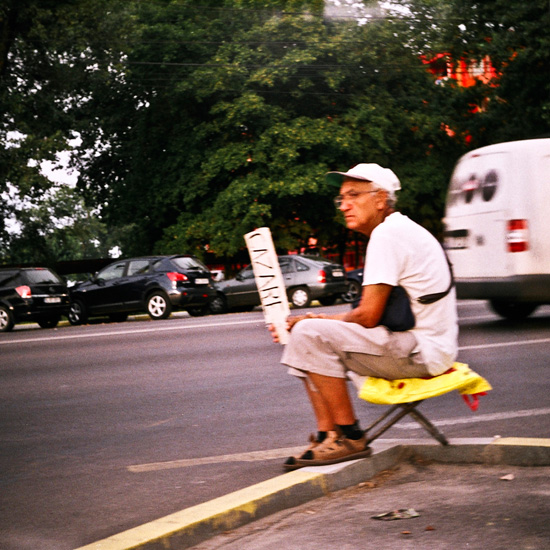
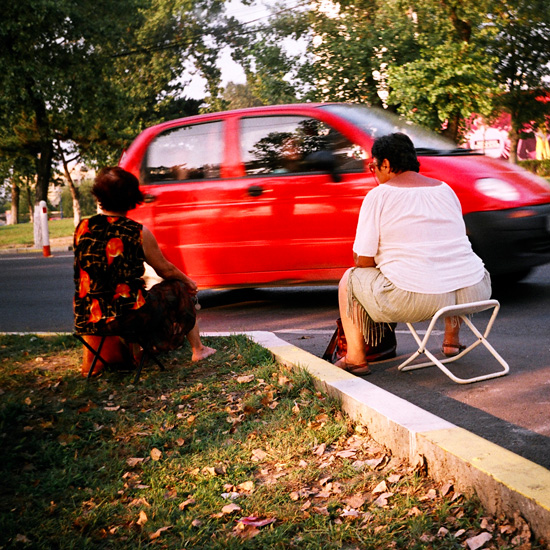
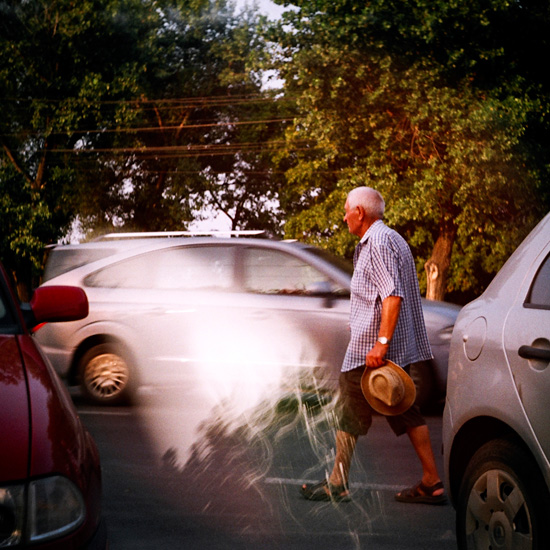
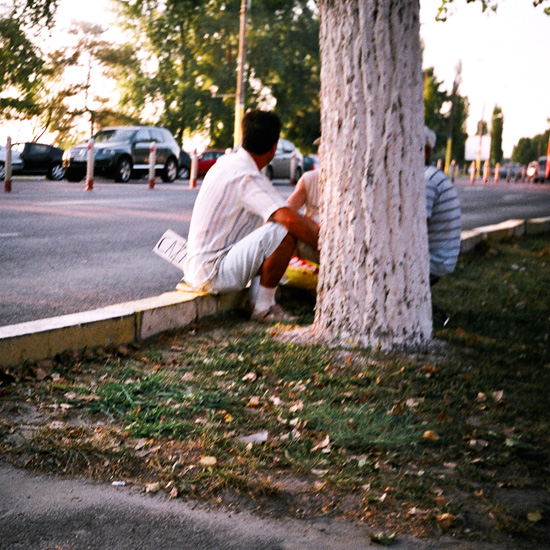
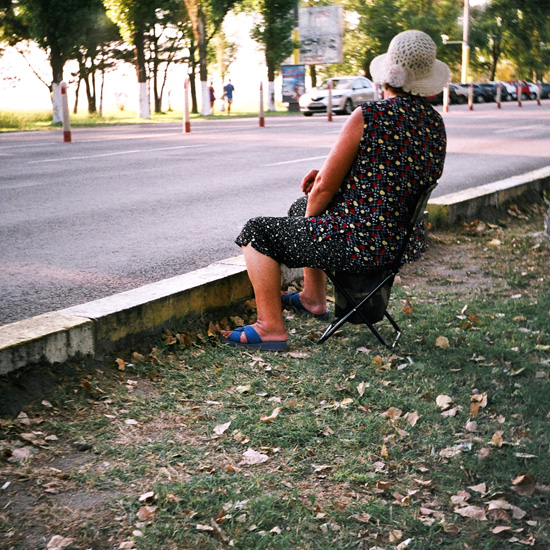
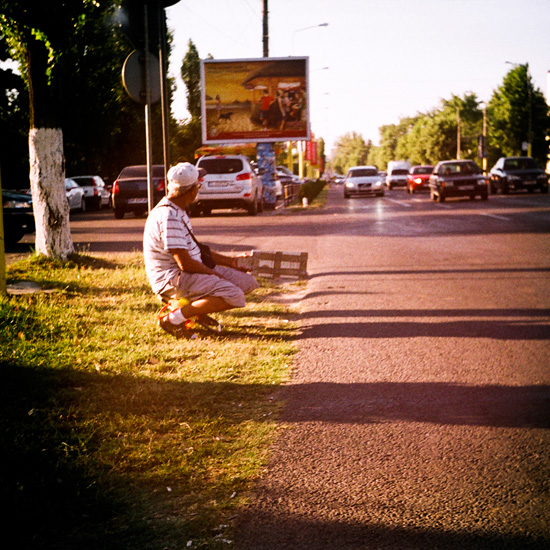
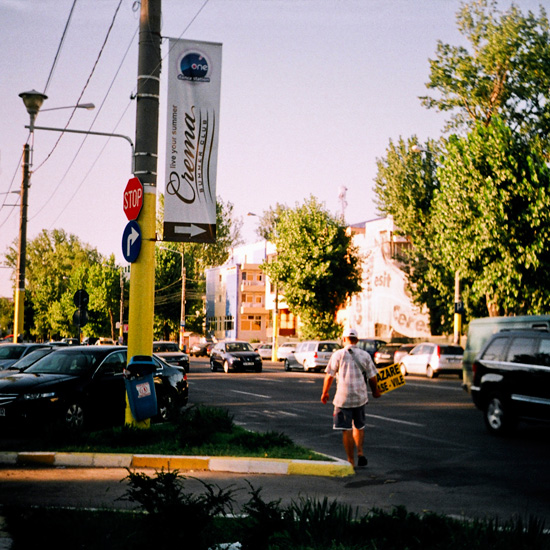
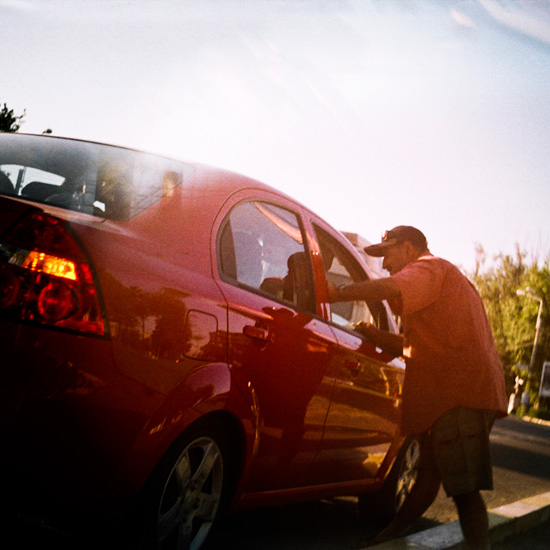
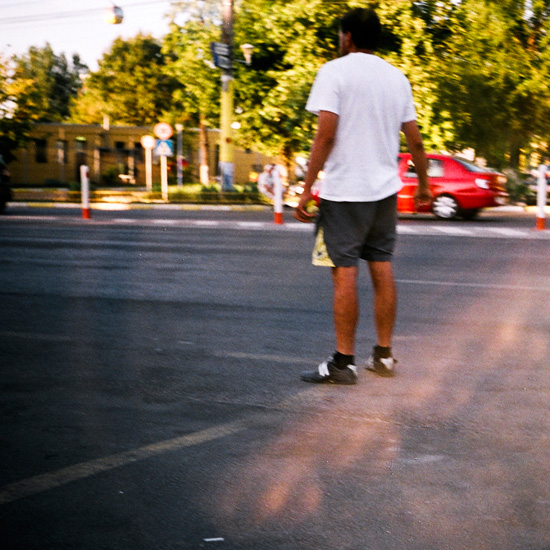
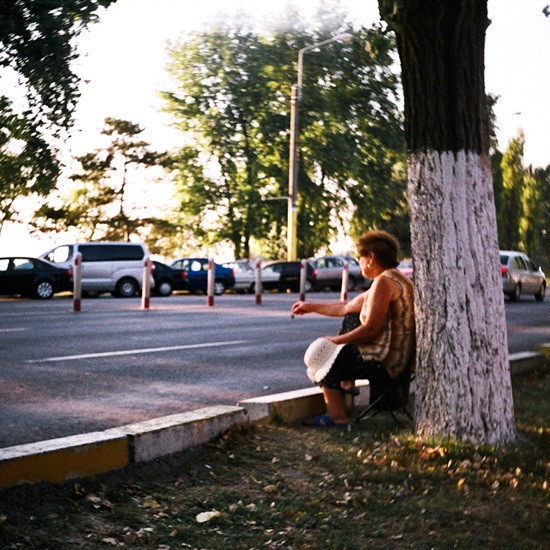
In fiecare zi, in drumul meu spre locul de munca, vedeam acesti oameni stand in zgomot, praf, gaze de esapament si umiditate cu speranta ca o masina va opri la un moment dat. Intr-un fel, am simtit o oarecare mila pentru ei si mi-a venit o idee. Am vrut sa incep un proiect despre ei, dar am vrut sa fac o poveste, sa interactionez cu ei, nu doar sa ii pozez si sa plec. Am reusit sa le castig cat de cat increderea. Si-au dezvaluit secretele lor cele mai ascunse si durerile lor. Dar n-a fost de ajuns. Din cauza fricii acumulate de-a lungul erei ceausiste nu m-au lasat sa ii fotografiez. Cei mai multi dintre ei sunt batrani si inca traiesc cu teama ca Securitatea si Fiscul le asculta telefoanele, le planteaza microfoane in casa, ii urmaresc la fiecare colt de strada si tot asa. Sunt putin dezamagit, dar voi incerca si la anul. Pana atunci, i-am fotografiat pe ascuns.
Every day on my way to work I saw these people staying in noise, dust, exhaust gas and humidity hoping a car will pull over. Somehow, I felt pity for them and an idea came out of my brain. I wanted to start a project about them, but I wanted to make a story, interact with them, not just take their picture and go away. I managed to gain their trust somehow. They shared with me their deepest secrets and their miseries. But it wasn’t enough for me. Because of the fear they accumulated in Ceausescu’s era they didn’t let me take their picture. Most of them are elders and still live with the fear that SRI and Fisc (a kind of Romanian CIA and IRS) listen to their calls, bugs their houses, watch them on any corner and so on. I am a little bit disappointed, but I’ll try again next year. Till then, I stole their picture.